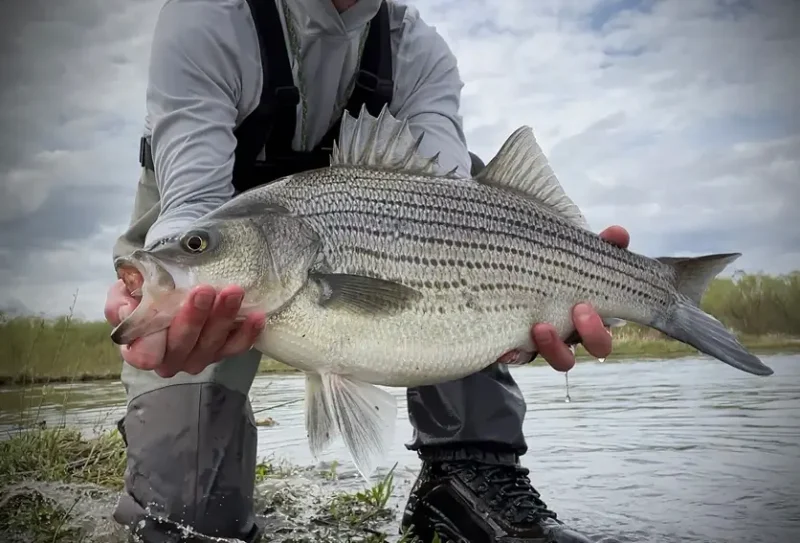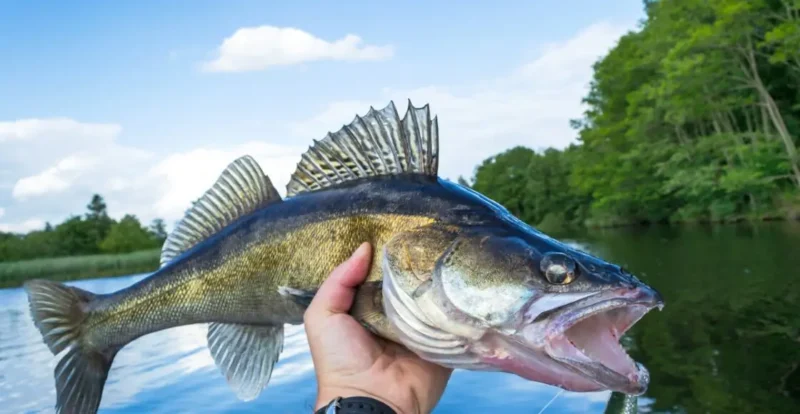
A fish finder’s classification of fish size is not a “precise measurement” but a fuzzy judgment based on sonar echo intensity combined with experience-based thresholds.
Using the Lucky FF718LIC-WT as an example, here’s the underlying logic behind its “large, medium, and small fish” categories and three truths users should know—so you can avoid the “fake big fish” trap.

The ‘Size Trap’ of Sonar Echoes: Shallow vs. Deep Water / Single vs. School Signals
Depth Interference: The echo strength of a 10 cm crucian carp in 5 m of shallow water may be equivalent to that of a 30 cm bass in 20 m of deep water. Although Lucky applies a dual-frequency compensation algorithm, it still cannot completely eliminate the attenuation effect of water pressure.
North–South Differences in ‘Fish Size Standards’: No Absolute Thresholds
Regional Discrepancy: In southern China, a 20 cm bream is considered “medium-sized,” while in the north it’s called a “big crucian carp.” Overseas users might consider a 15 cm rainbow trout a “small panfish,” whereas in China it’s already a “target fish.”
Lucky’s Compromise: Default settings are “< 15 cm small, 15–30 cm medium, > 30 cm large.”